Boiler Installation near Etobicoke City Centre
Planning a boiler installation in Etobicoke City Centre? Beyond HVAC can review your home’s hydronic heating system, heating requirements and mechanical-room conditions, then explain suitable boiler options and the work needed for a careful installation.
Boiler Installation service near Etobicoke City Centre
Etobicoke City Centre is within the City of Toronto’s Etobicoke Centre area. The City identifies the Six Points Area around the Dundas Street West, Kipling Avenue and Bloor Street West intersection. For a local boiler project, the relevant considerations remain specific to the home, including its hydronic distribution, available mechanical space, venting and controls.
A boiler works as part of a connected heating system, not as a stand-alone appliance. Reviewing radiators, baseboards or radiant loops, along with piping, circulation, controls, gas service and venting, helps establish an installation plan that fits the home and makes the scope easier to understand.
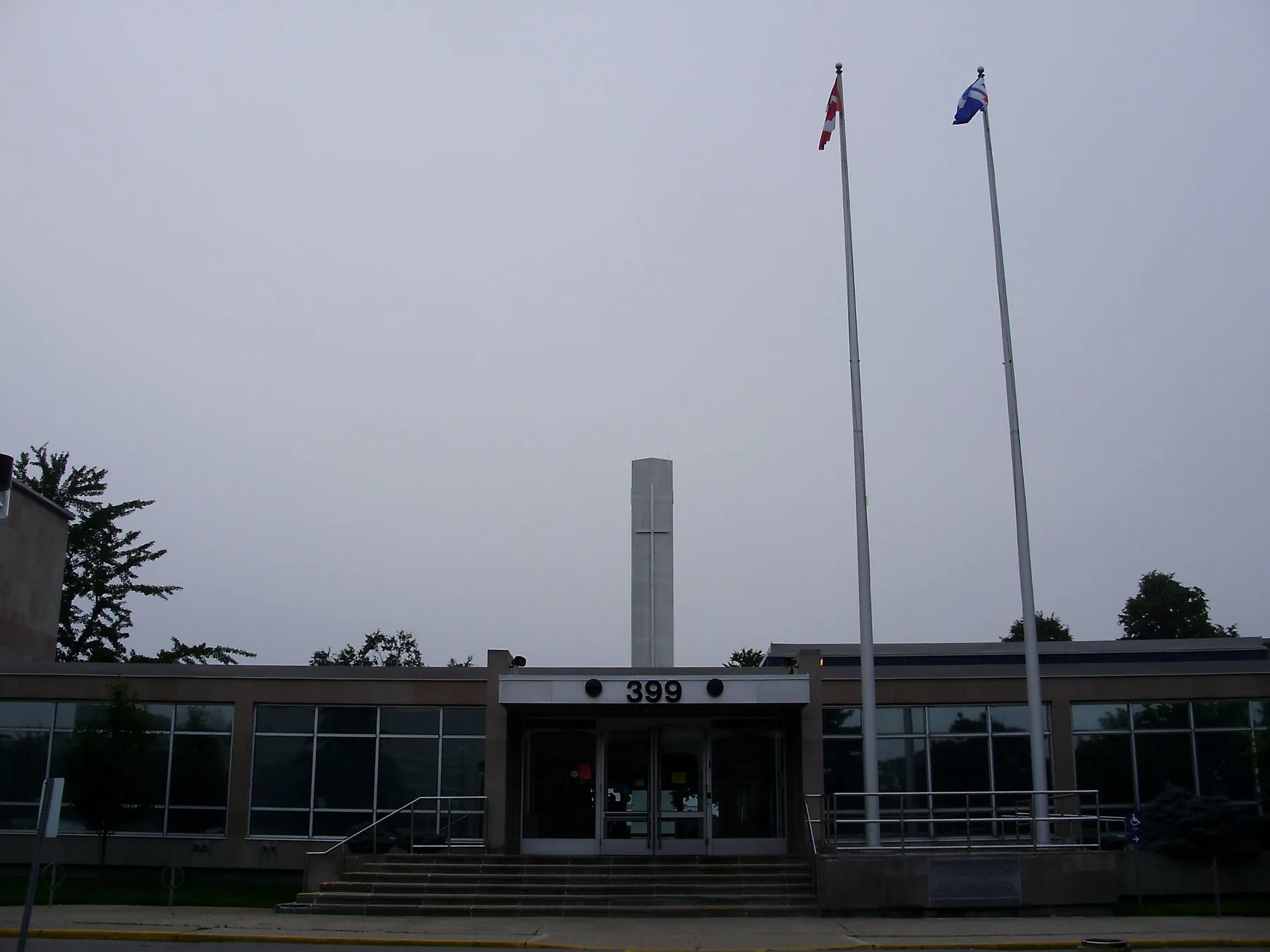

Boiler Installation in Etobicoke
Boiler Installation Planning for Etobicoke City Centre Homes
A boiler installation should begin with the home’s actual heating requirements rather than a like-for-like replacement. The assessment considers heat loss, the number of hydronic zones, distribution type, circulation and thermostat controls so the selected boiler can deliver heat appropriately throughout the house.
The mechanical room also matters. Available space, piping condition, gas connection, venting, condensate drainage and domestic hot-water needs can affect the configuration and installation work. Reviewing these details together helps distinguish between a conventional boiler, a combi system or another suitable arrangement.
Hydronic Heating Load and Boiler Sizing
Boiler sizing should reflect the home’s heat loss and the capacity of its hydronic distribution system, not simply the output of the old appliance. The assessment can consider room layout, insulation, windows, radiators, baseboards and radiant loops so the recommendation supports steady heat without treating oversized equipment as the default solution.
Radiators, Baseboards, Zones and Circulation
A new boiler must work with the way heat moves through the home. Reviewing pumps, zone valves, expansion components, piping, radiators and baseboards can identify compatibility or flow concerns before installation. The plan should also explain how thermostats and separate heating zones will operate after the new equipment is commissioned.
Mechanical-Room, Gas and Venting Requirements
Installation planning includes the boiler location, service clearances, gas connection, venting route, combustion air and condensate management where applicable. These requirements can differ between boiler models and may affect the installation scope. Confirming them early helps avoid treating a boiler replacement as a simple appliance swap.
Conventional, Combi and Domestic Hot-Water Options
Some homes need space heating only, while others want the boiler to support domestic hot water. A conventional boiler with a separate tank and a combi boiler have different capacities, connections and control considerations. The recommendation should relate the configuration to household hot-water demand, available space and the existing hydronic system.
What a Boiler Installation Assessment Covers
The assessment is intended to clarify the boiler choice, connected-system requirements and installation scope before work is scheduled.
- Home heating-load and boiler-sizing considerations
- Hydronic zones, distribution, circulation and controls review
- Mechanical-room, gas, venting and condensate requirements
- Conventional, combi and domestic hot-water configuration options
Need boiler installation near Etobicoke City Centre?
Arrange an assessment to review your home, existing equipment and the options that fit your space.
Boiler Installation questions from Etobicoke City Centre homeowners
Can a new boiler work with my existing radiators or baseboards?
Often, yes. Many boiler replacements retain the existing radiators, baseboards or radiant loops, provided the distribution system is in suitable condition and compatible with the new equipment. The review should consider piping, pumps, valves, water temperature, controls and the home’s heating load. If a component needs attention, the installation plan can identify that requirement rather than assuming every part is ready for a direct replacement.
How do I choose between a combi boiler and a conventional boiler?
The right configuration depends on how the home uses heat and hot water. A combi boiler combines space heating and domestic hot water in one appliance, while a conventional boiler generally works with a separate storage tank or indirect tank. Household demand, simultaneous fixture use, available mechanical-room space, existing connections and the hydronic design should all be reviewed before choosing between them.
What should be checked before a boiler installation?
A complete review can cover the home’s heating load, boiler sizing, radiators or baseboards, hydronic zones, pumps, piping, controls, gas supply, venting, combustion air, condensate drainage and service clearances. It should also identify whether domestic hot water is part of the plan and explain how the proposed boiler will connect with the existing distribution system. These checks help define the installation scope before equipment is selected.