Boiler Installation near New Toronto
Planning boiler installation in New Toronto, Etobicoke? Beyond HVAC can assess your hydronic heating system, mechanical room and household hot-water needs, then explain suitable boiler options and the installation work involved.
Boiler Installation service near New Toronto
New Toronto is a south Etobicoke community near the Lake Ontario shoreline. For homeowners there, boiler installation still needs to be planned around the individual house, including its radiators, baseboards or radiant loops, available mechanical-room space, venting route and existing controls.
A boiler is the heat source for a larger hydronic system, so installation planning should include the equipment connected to it. Reviewing circulation, zones, piping, expansion components and domestic hot-water requirements helps clarify what can remain, what may need attention and how the new boiler will be controlled.
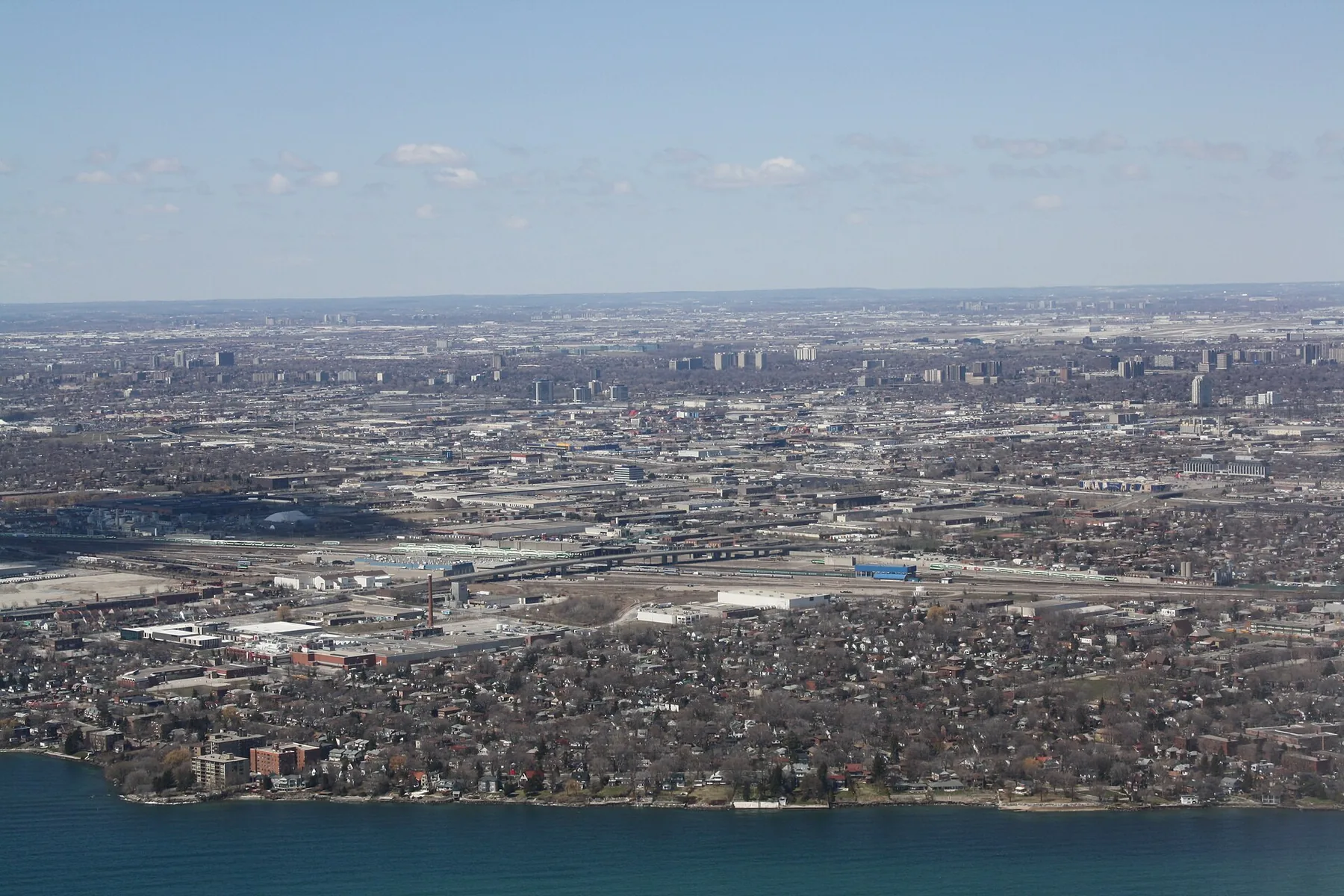

Boiler Installation in Etobicoke
Boiler Installation Planning for New Toronto Homes
A boiler should be selected for the home's actual heat loss and hydronic distribution, rather than by matching the output of an older unit. The assessment considers zones, emitters, circulation, insulation and the way heat is delivered to each living area.
Replacing or adding a boiler also involves mechanical-room access, gas or electrical connections, venting, condensate drainage and controls. If the boiler supplies domestic hot water, that demand should be considered alongside space heating so the proposed configuration fits the whole system.
Hydronic Heat Loss and Boiler Sizing
Boiler sizing should reflect the home's heat loss and the capacity of its radiators, baseboards or radiant loops. An assessment can review heated areas, insulation, windows, zoning and water temperatures to help avoid an oversized unit that cycles unnecessarily or an undersized system that struggles during cold weather.
Radiators, Piping and Circulation
The boiler works with the entire hydronic network. Existing piping, pumps, valves, expansion equipment and emitters should be checked for condition and compatibility. The installation plan can identify whether the system needs flushing, updated circulators, revised zone valves or other integration work before the new heat source is commissioned.
Venting, Gas and Mechanical-Room Requirements
The available space and existing connections influence the installation scope. The review should cover gas supply or electrical requirements, combustion air, venting route, condensate disposal, clearances and service access. These details help establish whether the replacement is a straightforward changeover or requires adjustments to the mechanical-room setup.
Boiler Controls and Domestic Hot Water
Controls determine how the boiler responds to thermostats, zones, outdoor conditions and hot-water demand. A conventional boiler with a separate water-heating arrangement may suit one home, while a combi or indirect-tank configuration may suit another. The recommendation should explain the control sequence and how the equipment will be maintained.
What a Boiler Installation Assessment Covers
The assessment is intended to clarify the boiler configuration, system connections and installation requirements before work is scheduled.
- Heat-loss, boiler-sizing and water-temperature considerations
- Radiators, baseboards, piping, pumps and hydronic-zone review
- Mechanical-room, gas or electrical, venting and condensate requirements
- Controls, domestic hot-water configuration and installation scope
Need boiler installation near New Toronto?
Arrange an assessment to review your home, existing equipment and the options that fit your space.
Boiler Installation questions from New Toronto homeowners
Can a new boiler work with my existing radiators or baseboards?
Often it can, provided the existing emitters, piping, valves and circulation components are in suitable condition and compatible with the proposed boiler. The assessment should review heat output, water temperatures, system pressure and zone controls rather than assuming every part can be reused. If improvements are needed, the installation plan can distinguish essential integration work from optional upgrades.
Should I choose a combi boiler or a boiler with separate hot-water equipment?
The right choice depends on the home's space-heating load, domestic hot-water demand, available mechanical-room space and existing plumbing. A combi boiler combines both functions in one appliance, while a conventional boiler may pair with an indirect tank or another water-heating arrangement. Reviewing peak demand and control requirements helps compare the configurations without treating one option as universally better.
What happens during a boiler installation assessment?
The technician reviews the boiler and the hydronic system it serves, including heat-loss considerations, radiators or baseboards, zones, piping, pumps, expansion components and controls. The visit can also consider mechanical-room access, gas or electrical connections, venting, condensate, domestic hot water and equipment placement. The findings provide a clearer basis for the proposed installation scope and system configuration.