Furnace Installation near Kingsway South
Planning a furnace installation for your Kingsway South home? Beyond HVAC can assess heating needs, existing ductwork and connected equipment, then explain suitable furnace options and the installation work required for dependable comfort through Toronto's heating season.
Furnace Installation service near Kingsway South
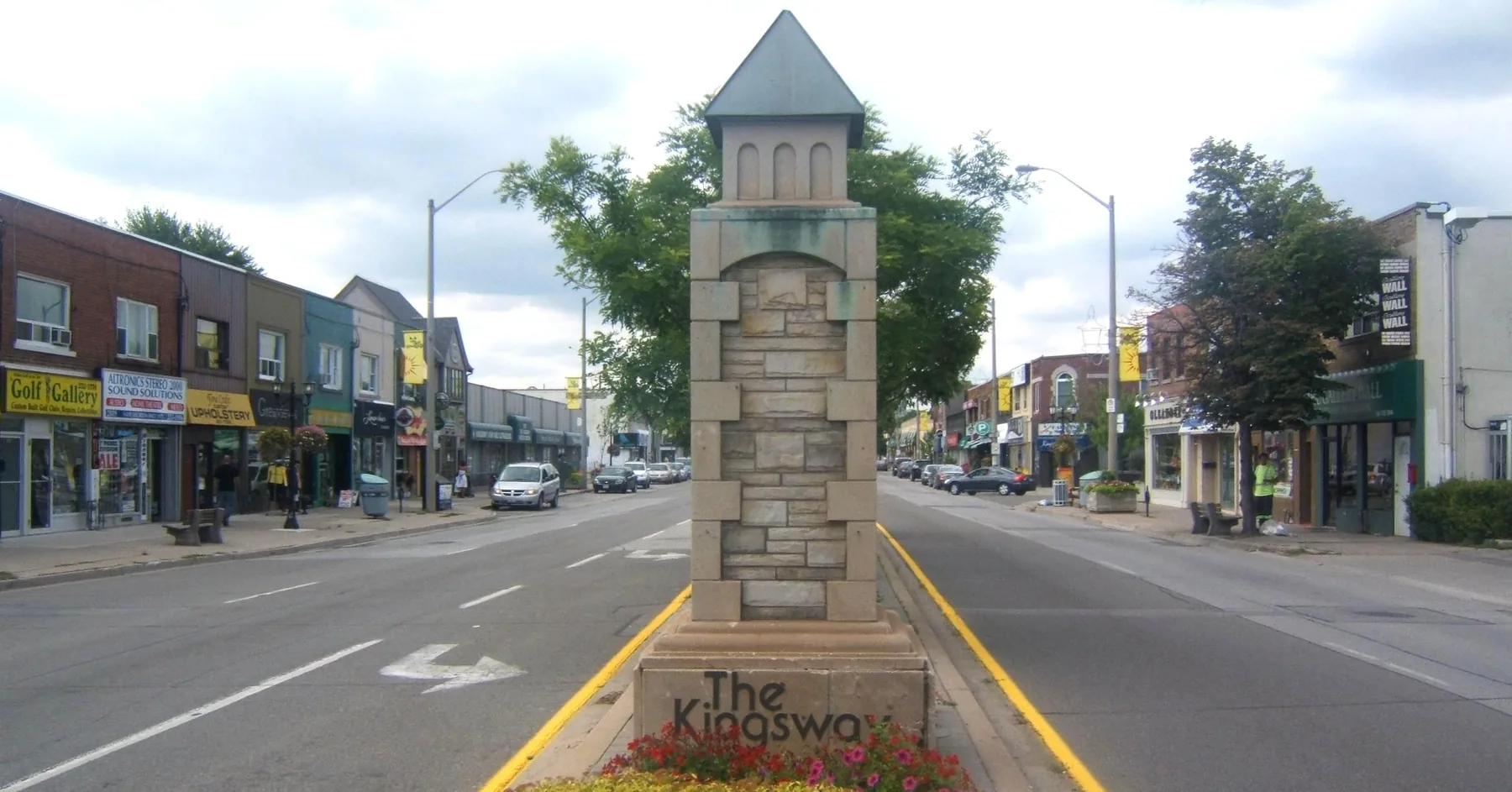
The City of Toronto's Bloor-Kingsway guidelines describe Bloor Street West between Prince Edward Drive and Mimico Creek as a setting with a distinctive character, local shops and services, and an established pedestrian streetscape. For a Kingsway South furnace project, that context is only a starting point: the installation still depends on the home's own mechanical space, ductwork, venting, controls and equipment condition.
A new furnace should support the home's complete heating and cooling system rather than function as an isolated appliance. Before equipment is selected, the assessment can consider heat loss, airflow, gas and venting requirements, condensate management, thermostat controls, service access and compatibility with central air conditioning.

Furnace Installation in Etobicoke
Furnace Installation Planning for Kingsway South Homes
Furnace sizing should reflect the home's current heating needs, not simply the output of the old unit. The review can consider layout, insulation, windows, duct capacity and airflow so the recommendation relates to the conditions that affect comfort throughout the house.
Replacing a furnace may also involve gas connections, venting, electrical controls, condensate drainage and thermostat integration. If central air conditioning is present, the installation plan should explain how the new furnace will work with the indoor coil, blower and controls before the project proceeds.
Heating Load and Furnace Sizing
A properly selected furnace is based on the home's heating requirements and air-distribution system. The assessment looks beyond a like-for-like replacement to consider heat loss, insulation, duct capacity and airflow. This helps avoid equipment that is oversized, undersized or poorly matched to the way rooms receive heat. The recommendation should connect furnace capacity to observed home conditions rather than rely on the old unit's output alone.
Ductwork, Airflow and Thermostat Controls
Existing ductwork, filter access, blower performance and thermostat controls affect how a new furnace delivers heat. Reviewing supply and return paths can identify restrictions, comfort concerns and practical installation requirements before equipment is chosen. The control setup should be explained clearly, including how the thermostat manages heating cycles and how the furnace coordinates with central cooling when both systems share the indoor air-distribution equipment.
Gas, Venting and Condensate Safety
The installation must account for the fuel connection, venting route, combustion air and condensate handling where applicable. These details affect equipment selection and the work required in the mechanical space. A careful plan also includes safety-control considerations and commissioning checks, so the completed furnace can be evaluated for proper operation rather than treated as a simple appliance exchange. Clear access for inspection and service is part of the planning.
Furnace Integration and Ongoing Maintenance
A new furnace should fit the home's wider comfort system and remain practical to maintain. The assessment can review clearances, service access, filter dimensions, humidification or air-cleaning equipment and compatibility with an existing air conditioner. Homeowners should understand routine filter replacement, inspection needs and signs of airflow or control problems that may warrant attention before they become larger heating issues during the season.
What a Furnace Installation Assessment Covers in Kingsway South
The assessment is intended to clarify the equipment fit, safety requirements, installation scope and how the new furnace will work with the home's existing heating and cooling system.
- Heating-load, heat-loss and furnace-sizing considerations
- Ductwork, airflow, filter access and thermostat compatibility review
- Gas connection, venting, combustion-air and condensate requirements
- Equipment integration, safety controls and written installation options
Need furnace installation near Kingsway South?
Arrange an assessment to review your home, existing equipment and the options that fit your space.
Furnace Installation questions from Kingsway South homeowners
How is a furnace sized for a Kingsway South home?
Furnace sizing should consider more than floor area or the output of the old unit. The assessment can review the home's layout, insulation, windows, heat-loss factors, duct capacity and airflow. Those details help determine whether a proposed furnace is appropriately matched to the house and its distribution system. Correct sizing also supports steadier comfort and helps the equipment operate as intended through Toronto's heating season.
Can a new furnace work with my existing central air conditioner?
Often it can, but compatibility should be checked before installation. The review can consider the indoor coil, blower capacity, ductwork, thermostat controls, electrical connections and available space. The furnace and air conditioner need to operate together through the shared air-distribution system. If changes are required, the installation plan should identify them clearly rather than assuming a replacement furnace will be a direct swap.
What should be checked before a furnace installation?
A complete review can cover heating needs, furnace sizing, supply and return airflow, ductwork, filter access, thermostat operation, gas connections, venting, combustion air and condensate management where applicable. It can also consider safety controls, mechanical-room clearances and integration with central cooling. These checks help define the installation scope and provide a clearer basis for comparing equipment options before work begins.