Furnace Repair near Kingsway South
When a furnace in Kingsway South will not start, cycles unexpectedly or leaves rooms cold, Beyond HVAC can assess the system, identify the likely cause and explain a practical repair path for your home.
Furnace Repair service near Kingsway South
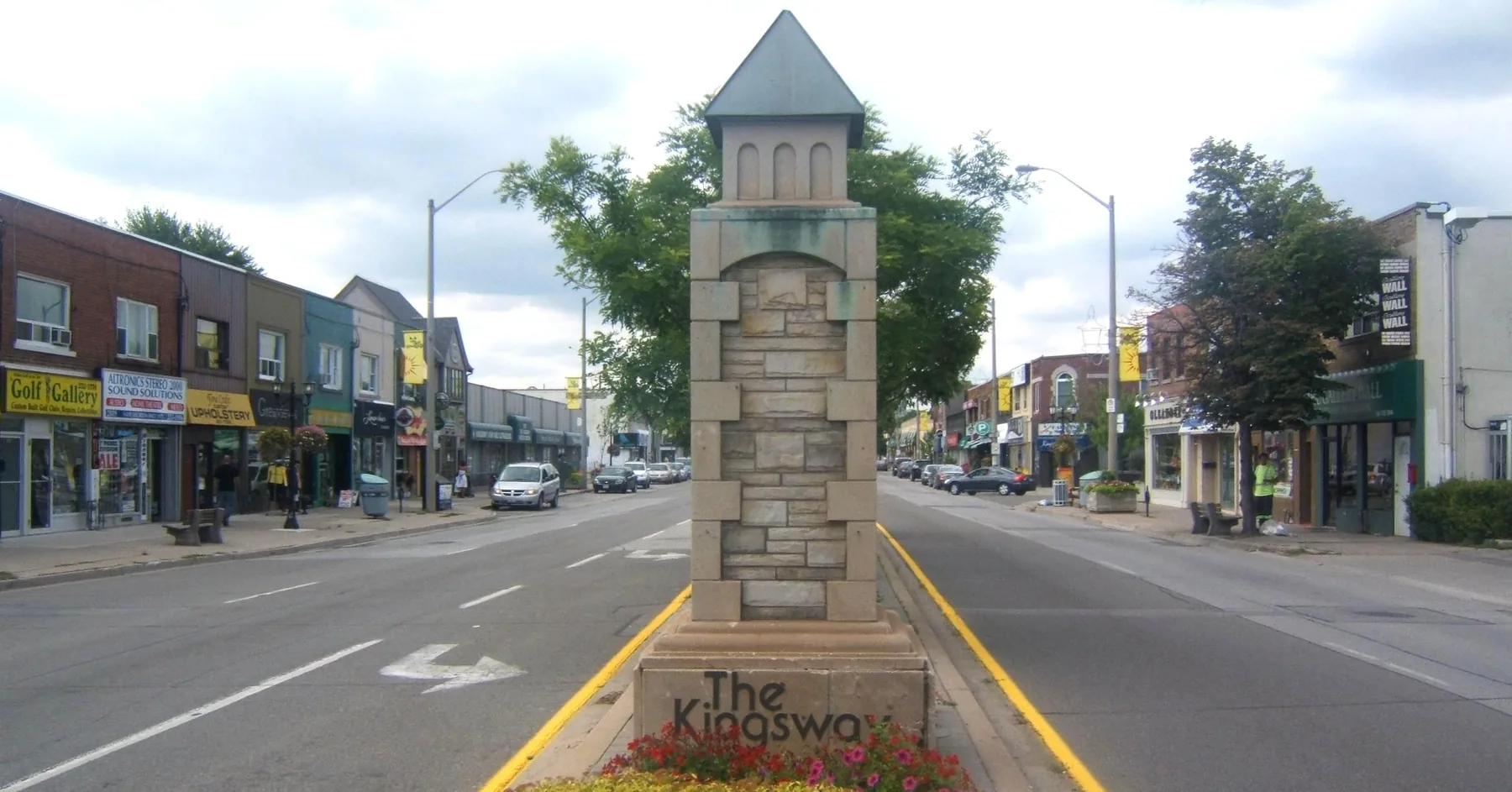
Kingsway South sits near the Bloor Street West and Kingsway area, where City of Toronto urban-design guidelines identify a distinctive character, local shops and a streetscape with historic fabric. Furnace repair still depends on the individual home and its heating equipment, not on the surrounding streetscape.
A furnace repair assessment should consider the complete heating system, including the thermostat, ignition sequence, electrical controls, airflow, venting and equipment condition. Looking at those connections helps distinguish a focused repair from a broader heating-system issue.

Furnace Repair Diagnosis for Kingsway South Homes
Furnace symptoms can overlap. Short cycling, weak airflow, no heat, cool air from the registers or unusual sounds may involve controls, ignition components, airflow restrictions or blower operation. A structured diagnostic connects the reported symptom with observed system performance rather than assuming the thermostat or one visible part is the cause.
A useful repair explanation identifies what was checked, what is affecting heat delivery and which repair options relate to the finding. If the furnace has a larger condition issue, the homeowner should understand the reason for the recommendation and any relevant system considerations before deciding how to proceed.
Furnace Symptoms and Diagnostic Testing
A furnace that will not start, starts and stops, or blows cool air needs a methodical diagnostic. The review can follow the sequence of operation through the thermostat, electrical controls, ignition, fuel delivery, blower operation and temperature response. Testing those stages helps separate a control problem from a component failure, restricted airflow issue or condition that requires further assessment.
Furnace Safety Controls, Ignition and Venting
Furnace repair includes attention to limit controls, flame sensing, ignition components, electrical connections, combustion conditions and venting where applicable. If there is a gas smell or a carbon monoxide alarm, leave the area and follow emergency guidance instead of continuing to operate or troubleshoot the appliance. Safety concerns take priority over routine diagnosis and repair.
Airflow, Filters and Blower Operation
Poor airflow can make a furnace run longer, overheat or deliver uneven comfort. The assessment may review the filter, return and supply airflow, blower operation, temperature rise and accessible duct connections. A blocked filter or airflow restriction can contribute to a safety-control shutdown, while a motor or capacitor concern may require a different repair approach.
Thermostat and Connected HVAC Equipment
A furnace may share controls and indoor equipment with a central air conditioner, humidifier, HRV or zoning system. Repair planning should account for those connections so a thermostat, control board or blower repair does not create a compatibility problem. Maintenance guidance can also cover filter access, seasonal checks and signs that merit further inspection during the next heating season.
What a Furnace Repair Visit Covers
The repair visit is intended to establish what is affecting heat delivery, identify safety considerations and explain the next step clearly.
- Thermostat, electrical and safety-control checks
- Ignition, flame-sensing, venting and combustion-related inspection as applicable
- Airflow, filter, temperature-rise and blower-operation review
- Clear diagnostic findings and repair options before work is approved
Need furnace repair near Kingsway South?
Arrange an assessment to review your home, existing equipment and the options that fit your space.
Furnace Repair questions from Kingsway South homeowners
Why is my furnace turning on but not heating properly?
Several faults can produce the same complaint, including a thermostat issue, restricted airflow, ignition failure, fuel-delivery problem or a safety control that has interrupted operation. A technician should observe the furnace sequence, test relevant components and review airflow before identifying the cause. Replacing a part without that diagnosis can leave the underlying problem unresolved and may not restore dependable heat.
Is it safe to keep running a furnace that is making unusual noises?
Turn the furnace off and leave the area if you smell gas, a carbon monoxide alarm sounds or you see signs of unsafe operation. Do not keep resetting the unit or attempt internal repairs. For less urgent noises, switch the system off if operation seems abnormal and arrange a qualified assessment. The cause may involve the blower, motor, ignition or another component.
What is checked during a furnace repair visit?
A repair visit can include thermostat and electrical checks, safety-control review, ignition or flame-sensing inspection, airflow and filter assessment, blower testing, and venting or combustion-related checks where applicable. The exact steps depend on the symptom and furnace type. Findings should be explained before repair work is approved, including whether connected equipment or maintenance conditions affect the diagnosis.