Furnace Repair near New Toronto
When a furnace in New Toronto is not starting, heating unevenly or making unusual sounds, Beyond HVAC can assess the system, identify the likely cause and explain the appropriate repair path.
Furnace Repair service near New Toronto
For New Toronto homeowners, a furnace repair visit should focus on the home's actual heating system rather than assume every Etobicoke property has the same equipment. Ignition, venting, electrical controls, airflow and thermostat operation can all affect comfort and safe furnace performance.
A furnace problem may begin with a simple control issue, restricted airflow or a worn component, but similar symptoms can have different causes. A methodical review of the furnace, duct connections, safety controls and related equipment helps clarify what needs attention before a repair is recommended.
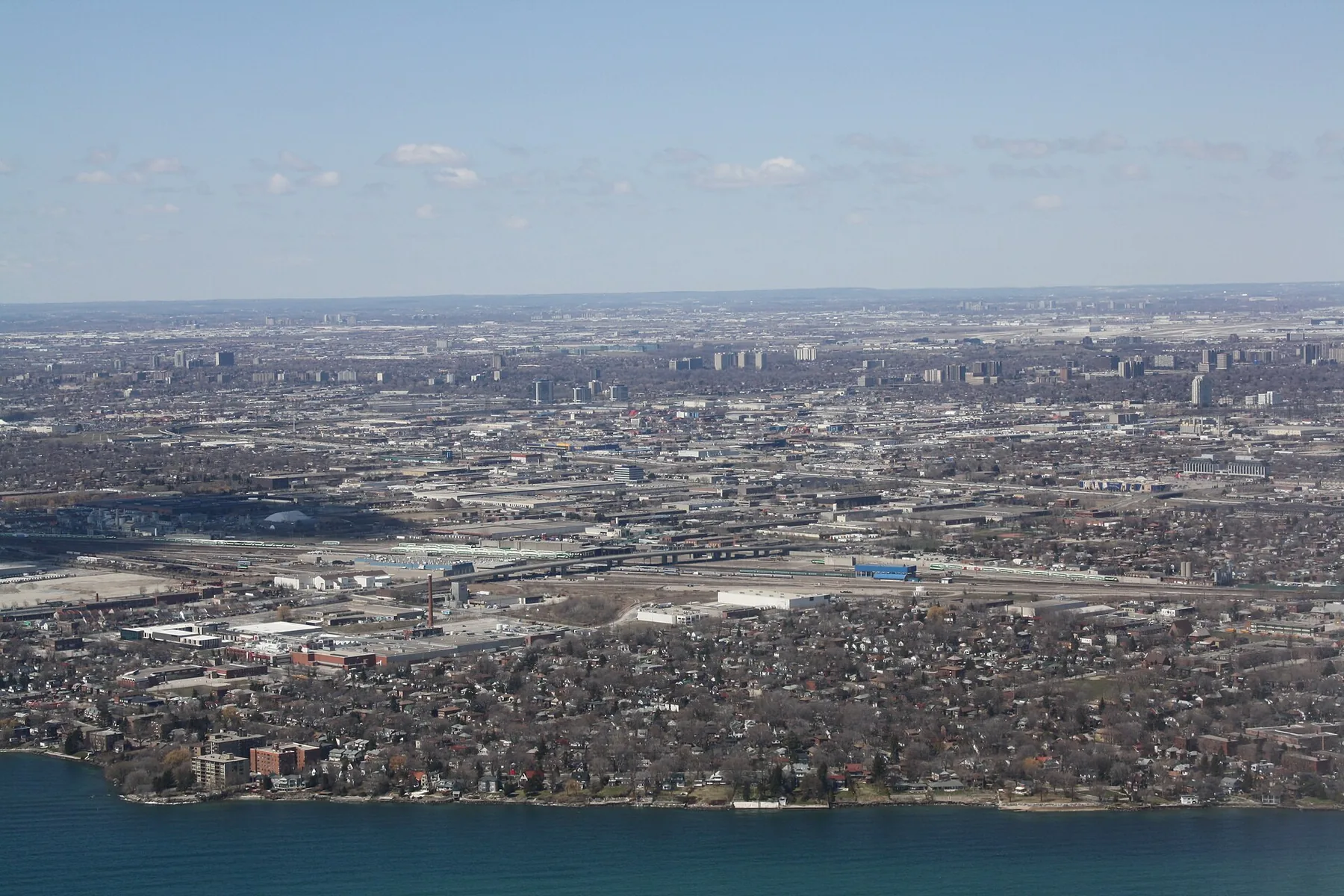

Furnace Repair Diagnosis for New Toronto Homes
No heat, short cycling, weak airflow and unfamiliar sounds can come from several parts of a heating system. The thermostat, filter, blower, ignition components, electrical controls, fuel delivery and venting all deserve consideration instead of relying on one symptom alone.
A useful repair assessment connects the homeowner's observations with measured system performance. If the furnace also works with central air conditioning, the review can consider the indoor coil, blower operation and controls so the repair supports the broader HVAC system.
Furnace Symptoms and System Diagnosis
A furnace that will not start, runs briefly or delivers inconsistent heat needs a complete diagnostic review. The technician can compare thermostat calls, sequence of operation, airflow and operating responses to separate a control problem from an ignition, blower, fuel or other equipment fault. This helps the homeowner understand the actual repair issue rather than approving work based only on a noise or error code.
Ignition, Safety Controls and Venting
Gas furnace repair requires attention to ignition components, flame-sensing operation, limit controls and applicable venting conditions. The review should also consider combustion-related safety concerns and whether the furnace is completing its operating sequence correctly. If a carbon monoxide alarm sounds or there is a gas odour, leave the area and follow emergency guidance rather than continuing to operate or troubleshoot the equipment.
Airflow, Filters and Blower Operation
Restricted airflow can make a furnace overheat, cycle unexpectedly or leave rooms uncomfortable. A repair assessment can include the filter, return and supply airflow, blower motor, wheel and related duct connections. These checks help distinguish a furnace component failure from a distribution problem and can identify maintenance steps that support more consistent heat delivery after the repair.
Thermostat and HVAC Integration
The furnace does not operate in isolation from the home's controls and connected equipment. Thermostat wiring, staging, fan settings and communication with central air conditioning can affect how the system starts and distributes air. Reviewing those connections is particularly useful when a furnace has intermittent operation, unusual cycling or a recent control change. Findings should be explained before repair work is approved.
What a Furnace Repair Visit Covers
The repair visit is intended to establish what is affecting safe heat delivery and explain the next practical step clearly.
- Thermostat, electrical and safety-control checks
- Ignition, flame-sensing and venting inspection as applicable
- Filter, airflow, blower and duct-connection review
- Clear diagnostic findings and repair options before work is approved
Need furnace repair near New Toronto?
Arrange an assessment to review your home, existing equipment and the options that fit your space.
Furnace Repair questions from New Toronto homeowners
Why is my New Toronto furnace turning on but not heating properly?
Several issues can create that symptom, including a thermostat or control fault, restricted airflow, ignition trouble, fuel-delivery problems or a blower issue. A technician should review the furnace's operating sequence and measured performance to identify the cause. Checking the filter, duct connections and safety controls can also show whether the problem is inside the furnace or elsewhere in the home's air-distribution system.
Is it safe to keep running a furnace that is making unusual noises?
Unusual noises can result from a loose panel, blower problem, motor wear or another fault, so the sound alone does not establish the risk. Turn the system off if operation seems unsafe. If there is a gas smell, a carbon monoxide alarm, smoke or another immediate concern, leave the area and contact the appropriate emergency or qualified service support promptly. Do not attempt an internal repair.
What is checked during a furnace repair visit?
A repair visit can include thermostat and electrical checks, safety-control operation, ignition and flame-sensing components, venting where applicable, filter condition, airflow, blower performance and duct connections. The technician may also consider how the furnace works with central air conditioning and other controls. The purpose is to connect the reported symptom with a diagnostic finding and explain the repair path before work is approved.