Heat Pump Installation near Islington / Islington Village
Planning heat pump installation for a home in Islington or Islington Village? Beyond HVAC can assess your heating and cooling needs, review your existing equipment and explain a practical system configuration for year-round comfort.
Heat Pump Installation service near Islington / Islington Village
Islington Village has a distinctive main-street character along Dundas Street West, and the City of Toronto highlights its mural program as part of the area’s public art and history. For a heat pump installation, the important local consideration remains the individual home: its layout, mechanical space, electrical service and existing HVAC equipment.
A heat pump installation should be planned around how the home is heated and cooled now. Reviewing ductwork, electrical capacity, outdoor-unit placement, controls and any existing furnace or air conditioner helps clarify whether a ducted, ductless or dual-fuel design is the appropriate fit.
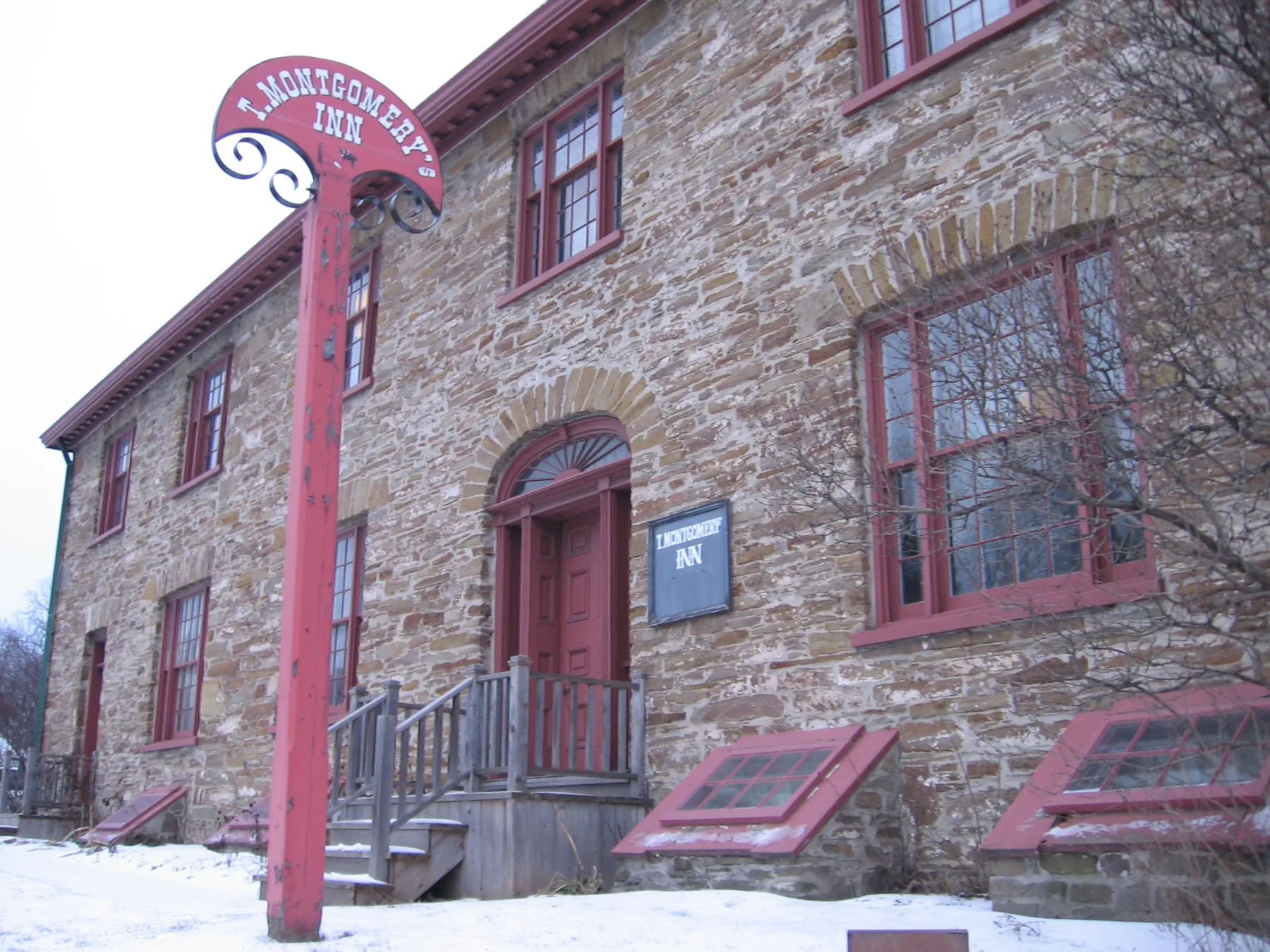

Heat Pump Installation in Etobicoke
Heat Pump Installation Planning for Islington Homes
A heat pump should be sized for the home’s heating and cooling loads, not selected from floor area alone. The assessment considers insulation, windows, room layout, airflow and the temperatures the system must handle so the equipment can deliver balanced comfort through Toronto’s changing seasons.
The installation plan also needs to account for how the heat pump will integrate with existing equipment. A ducted system, ductless units or a dual-fuel arrangement with a furnace can each be appropriate, depending on electrical capacity, distribution, backup-heat strategy, controls and the homeowner’s comfort priorities.
Heating and Cooling Load Assessment
Heat pump selection starts with the home’s actual heating and cooling requirements. The assessment reviews layout, insulation, windows, airflow and existing equipment rather than relying on a like-for-like replacement. Correct sizing supports steady operation, useful capacity in colder weather and comfortable cooling without unnecessarily oversized equipment. It also helps set realistic expectations for room-to-room comfort and seasonal operation.
Ducted, Ductless and Dual-Fuel Options
A ducted heat pump can use existing air distribution when the furnace, coil space and ductwork are suitable. Ductless equipment may better address an addition, renovation or area without usable ducts. Where a gas furnace remains, dual-fuel controls can coordinate the heat pump and backup heat according to outdoor conditions and system settings. The right arrangement depends on the whole home, not one room or appliance.
Electrical, Outdoor Unit and Refrigerant Planning
Installation planning includes the electrical service, disconnect, circuit requirements and a practical outdoor-unit location with suitable clearances. The refrigerant-line route, condensate management, service access and indoor-unit placement also matter. Reviewing these details before equipment is selected helps identify work needed for a safe, maintainable installation. The plan should account for noise-sensitive locations, drainage and access for future inspection without making unsupported assumptions about the property.
Controls, Commissioning and Maintenance
The thermostat and system controls should be configured so heating, cooling, defrost operation and backup heat respond in the intended sequence. After installation, commissioning includes checking airflow, temperature performance, refrigerant-related readings and control operation. Homeowners should also understand filter care, outdoor-coil clearance and the maintenance checks that support reliable seasonal operation. Clear operating instructions can help identify unusual behaviour before it becomes a larger comfort or equipment issue.
What a Heat Pump Installation Assessment Covers
The assessment is intended to clarify the heat-pump configuration, equipment integration and installation requirements before work is scheduled.
- Heating and cooling load, sizing and comfort considerations
- Ducted, ductless and dual-fuel configuration options
- Electrical capacity, outdoor-unit placement and refrigerant-line planning
- Thermostat controls, backup heat, commissioning and maintenance requirements
Need heat pump installation near Islington / Islington Village?
Arrange an assessment to review your home, existing equipment and the options that fit your space.
Heat Pump Installation questions from Islington / Islington Village homeowners
Can a heat pump work with an existing furnace?
Yes. A dual-fuel system can use the heat pump for heating and cooling while the furnace provides backup heat when the controls call for it. The existing furnace, ductwork, electrical service, thermostat and changeover settings should be reviewed before the configuration is selected. The assessment should also explain how the two heat sources will operate together and what maintenance each part of the system requires.
Is a ductless heat pump suitable for an Islington home?
It can be, especially for an addition, renovation, upper room or area without practical ductwork. Suitability depends on the room’s heating and cooling load, wall or ceiling placement, outdoor-unit location, electrical requirements and how the space connects to the rest of the home. A site assessment can determine whether one indoor unit, multiple zones or a ducted approach makes more sense.
What is checked before heat pump installation?
The review can include heating and cooling loads, insulation and airflow, existing furnace or air conditioner compatibility, electrical capacity, refrigerant-line routing, condensate management and outdoor-unit clearances. It should also cover thermostat and backup-heat controls, equipment placement, service access and commissioning requirements. These checks help define the installation scope before equipment is ordered and identify integration issues early.