Heat Pump Installation near Stonegate-Queensway
Planning heat pump installation for a Stonegate-Queensway home? Beyond HVAC can assess your heating and cooling needs, existing equipment, electrical capacity and installation options before recommending a practical system configuration.
Heat Pump Installation service near Stonegate-Queensway
The City of Toronto describes The Queensway as running between Mimico Creek and the Humber River. For a Stonegate-Queensway home, that local setting does not determine the equipment choice, but the house itself does: ductwork, electrical service, outdoor-unit placement, controls and existing heating equipment all shape the heat pump installation plan.
A heat pump installation should be planned as a complete heating and cooling project, not simply an outdoor-unit replacement. Reviewing the home’s distribution system, insulation, thermostat, electrical supply and backup-heat strategy helps clarify whether a ducted, ductless or dual-fuel configuration is appropriate.
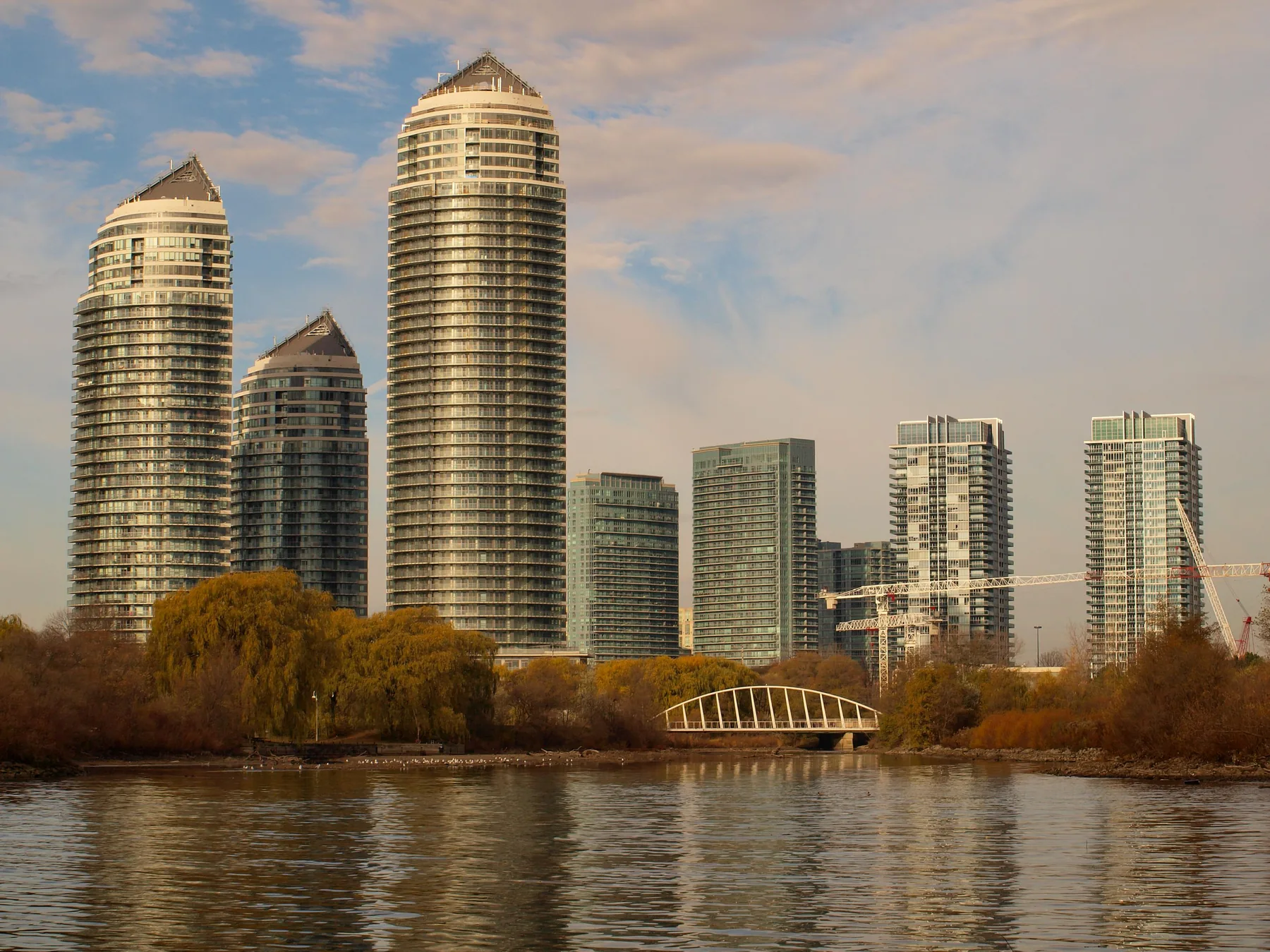

Heat Pump Installation in Etobicoke
Heat Pump Installation Planning for Stonegate-Queensway Homes
A cold-climate heat pump can provide heating and cooling through one system, but the right configuration depends on the home’s heat loss, ductwork, electrical capacity and comfort priorities. An assessment should consider how rooms are used, where airflow is currently limited and whether existing equipment can be integrated effectively.
Some Stonegate-Queensway homes may be better suited to a ducted replacement, while others may benefit from ductless zones or a heat pump working with an existing furnace. The installation plan should explain equipment sizing, outdoor placement, refrigerant-line routing, controls and backup heat before work is scheduled.
Heat Pump Sizing and Cold-Climate Performance
Heat pump sizing should reflect the home’s heating and cooling loads rather than floor area alone. The assessment considers insulation, windows, layout, airflow and local winter conditions, then identifies equipment that can deliver useful capacity across the seasons. Oversizing or choosing a system without reviewing low-temperature performance can affect comfort, cycling and operating efficiency, so those tradeoffs should be explained clearly.
Ducted, Ductless and Dual-Fuel Options
A ducted heat pump may suit a home with usable central ductwork, while ductless equipment can serve an addition, selected rooms or areas without practical ducts. A dual-fuel arrangement can pair a heat pump with an existing gas furnace when backup capacity and control strategy require it. The recommendation should compare these approaches against the home’s layout, equipment condition and comfort goals.
Electrical Supply and Outdoor Equipment Placement
Heat pump installation includes more than connecting indoor and outdoor equipment. The electrical panel, disconnect, wiring route and available capacity should be reviewed, along with condensate management and refrigerant-line routing. The outdoor unit also needs a suitable location, service access, clearances and protection from conditions that could interfere with airflow. Identifying these details early helps define the actual installation scope.
Thermostat Controls, Backup Heat and Commissioning
Controls determine how a heat pump responds to changing outdoor temperatures and how it coordinates with backup heat. The installer should confirm thermostat compatibility, staging, defrost operation and any furnace changeover settings. After installation, commissioning should include airflow, temperature performance, electrical readings, refrigerant checks and control operation so the homeowner understands how the system is intended to run.
What a Heat Pump Installation Assessment Covers
The assessment is intended to clarify the heat pump configuration, equipment integration and installation requirements that fit the home.
- Heating and cooling load, insulation and equipment-sizing considerations
- Ducted, ductless and dual-fuel configuration options
- Electrical capacity, refrigerant routing, condensate and outdoor-unit placement review
- Thermostat controls, backup heat, commissioning and installation-scope planning
Need heat pump installation near Stonegate-Queensway?
Arrange an assessment to review your home, existing equipment and the options that fit your space.
Heat Pump Installation questions from Stonegate-Queensway homeowners
Can a heat pump work with an existing furnace in Stonegate-Queensway?
Yes, a heat pump can often be paired with an existing gas furnace in a dual-fuel system. The furnace condition, ductwork, electrical supply, thermostat and control settings should be reviewed first. The assessment also considers when the heat pump should operate, when backup heat should engage and whether the existing equipment can distribute air effectively. This avoids treating the project as a simple outdoor-unit addition.
Should I choose a ducted or ductless heat pump for my home?
The suitable choice depends on the home’s distribution system and the areas you want to heat and cool. Ducted equipment can work with usable central ductwork, while ductless units may suit rooms without practical ducts, additions or targeted comfort improvements. The assessment should review airflow, room layout, installation locations, electrical requirements, controls and the condition of connected equipment before comparing the options.
What is checked before a heat pump installation?
A pre-installation review can include heating and cooling loads, insulation, windows, existing ductwork, airflow, electrical-panel capacity, refrigerant-line routing and outdoor-unit placement. It should also cover thermostat compatibility, backup-heat requirements, condensate management and equipment clearances. After the system is installed, commissioning checks help confirm airflow, temperature performance, defrost operation, electrical readings and control responses. These steps provide a clearer understanding of both the equipment and the work required.