Tankless Water Heater Installation near New Toronto
Planning a tankless water heater installation in New Toronto, Etobicoke? Beyond HVAC can review your household's hot-water demand, existing water heater, gas supply, venting and installation location before outlining suitable system options.
Tankless Water Heater Installation service near New Toronto
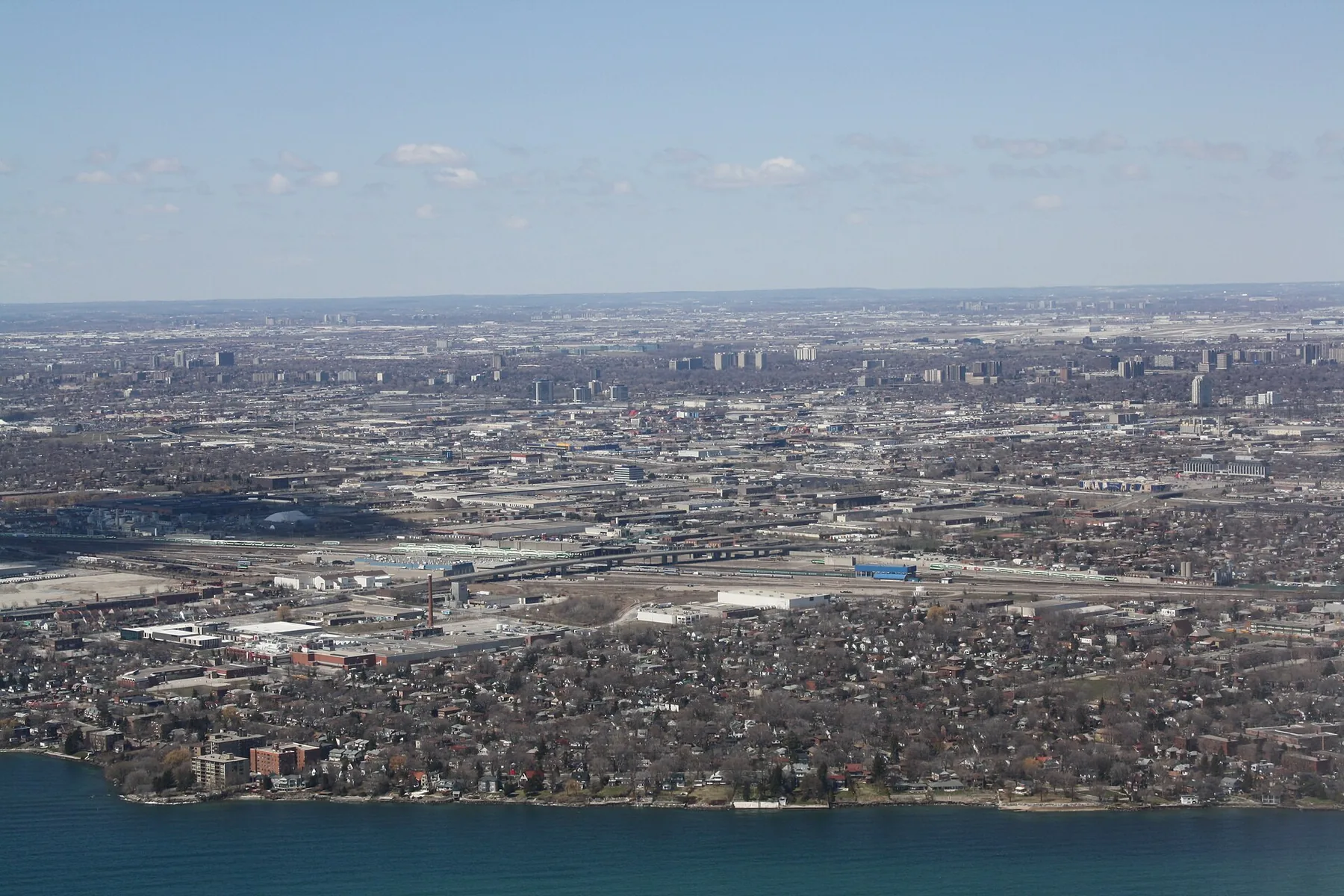
New Toronto is a City of Toronto neighbourhood in south Etobicoke near the Lake Ontario shoreline. For homes in this lakeside part of Etobicoke, a tankless water heater project still depends on the home's own mechanical space, water connections, fuel supply, venting route and household hot-water needs.
Tankless installation is more than replacing a storage tank with a smaller appliance. The project may involve gas-line capacity, category-specific venting, condensate drainage, water treatment considerations, electrical service and controls. Reviewing those connections together helps establish a practical installation scope before equipment is selected.

Tankless Water Heater Installation in Etobicoke
Tankless Water Heater Installation Planning for New Toronto Homes
A tankless water heater should be sized for the household's peak flow and incoming-water conditions, not simply chosen by comparing its physical size with an existing tank. The assessment considers how many showers, taps and appliances may operate together, along with the temperature rise the unit must provide.
Replacing a conventional water heater can require changes to gas supply, venting, condensate disposal, water piping and electrical connections. The installation review should also consider service clearances, isolation valves, temperature controls and maintenance access so the finished system can be operated and serviced safely.
Hot-Water Demand and Tankless Sizing
Tankless capacity is tied to flow rate and temperature rise. The assessment reviews the number of bathrooms, likely simultaneous fixture use, incoming cold-water temperature and the household's preferred hot-water performance. This helps distinguish a unit that can meet peak demand from one that is merely smaller than the existing tank. Correct sizing also supports steadier operation and reduces the risk of disappointing flow at busy times.
Gas Supply, Venting and Condensate
Many gas-fired tankless systems need different gas capacity and venting arrangements than a conventional storage heater. The installation plan should examine the gas line, combustion and exhaust routing, termination locations, clearances and condensate drainage where applicable. These requirements can affect equipment placement and project scope, particularly when the existing water heater connection was designed for a lower-demand appliance.
Water Connections, Filtration and Controls
The water side needs practical service provisions, including isolation valves, relief protection, connection layout and access for flushing. Depending on the home's water conditions and manufacturer requirements, filtration or scale-management measures may also deserve review. Temperature controls should be set up for safe, predictable use and explained clearly, especially where the system serves multiple bathrooms or connects with a recirculation loop.
Installation Commissioning and Maintenance
After installation, the system should be checked for leaks, combustion and venting performance, temperature delivery, controls and error-free operation. Homeowners should understand the maintenance schedule, including periodic flushing when required by the equipment and water conditions, plus filter or inlet-screen checks. Keeping service clearances accessible makes future diagnosis and maintenance more straightforward and helps protect dependable hot-water performance.
What a Tankless Water Heater Installation Assessment Covers
The assessment is intended to clarify whether tankless is a suitable fit for the household and identify the installation, commissioning and maintenance requirements before work begins.
- Household flow-rate, simultaneous-use and temperature-rise review
- Gas supply, venting, combustion-air and condensate requirements
- Water connections, isolation valves, filtration and installation-location planning
- Equipment sizing, controls, commissioning and maintenance considerations
Need tankless water heater installation near New Toronto?
Arrange an assessment to review your home, existing equipment and the options that fit your space.
Tankless Water Heater Installation questions from New Toronto homeowners
How is a tankless water heater sized for a New Toronto home?
Sizing is based on peak simultaneous hot-water demand and temperature rise, not just the old tank's capacity. The review can consider showers, taps, appliances, incoming-water temperature and the desired flow rate. Those details help determine whether one unit can serve the household or whether a different configuration should be considered. The goal is to match equipment performance to how the home actually uses hot water.
Can a tankless water heater replace my existing gas tank?
Often, but it is not always a direct swap. A tankless unit may need a larger gas supply, different venting, condensate drainage, new water connections and suitable electrical service. The mechanical-room layout and service clearances also need review. An assessment can identify which existing connections may be reused and which changes are required before the installation scope is finalized.
What maintenance does a tankless water heater need?
Maintenance depends on the equipment and water conditions, but may include flushing the heat exchanger, checking inlet screens or filters, inspecting connections and confirming safe venting and operation. Scale or debris can affect performance over time, especially where water conditions require attention. The installation should leave practical service access and provide clear guidance on the manufacturer's maintenance intervals and recommended procedures.